
 Why Digital Marketing Is Important?
Reaches a large audience at low cost
Targets the right customers
Results can be measured easily
Helps grow business and personal brands
 Types of Digital Marketing
 SEO (Search Engine Optimization)
Improving a website to rank higher on Google search results.
 Content Marketing
Creating valuable content to attract and engage users.
Examples: Blogs, videos, reels, posts
 Social Media Marketing (SMM)
Promoting brands on platforms like Facebook, Instagram, and YouTube.
 Paid Advertising (PPC Ads)
Running paid ads on Google, Facebook, or Instagram for fast results.
 Email Marketing
Sending emails to customers for promotions and updates.
 Affiliate Marketing
Earning commission by promoting other companies’ products.
 Influencer Marketing
Promoting products through popular influencers.
 How Can You Earn Through Digital Marketing?
Jobs (SEO Executive, Digital Marketer)
Freelancing
YouTube / Facebook monetization
Affiliate marketing
Growing your own business
 Who Should Learn Digital Marketing?
 Students Job seekers Business owners Content creators Entrepreneurs

Why Digital Marketing Is Necessary
People Are Online
Customers search on Google, use social media, watch YouTube, and shop online daily.Cost-Effective
Digital marketing is cheaper than TV, newspaper, or hoardings, and gives better results.Target the Right Audience
You can show ads to specific people by age, location, interest, and behavior.Measurable Results
You can track:Views
Clicks
Leads
Sales
(Traditional marketing cannot do this clearly.)
Builds Brand Trust
Websites, reviews, social media presence make a brand look professional and reliable.24/7 Promotion
Your business works day and night, even when you are sleeping.Compete With Big Brands
Small businesses can compete with big companies using smart digital strategies.Career & Job Opportunities
High demand for:SEO experts
Social media managers
Content creators
Digital marketers
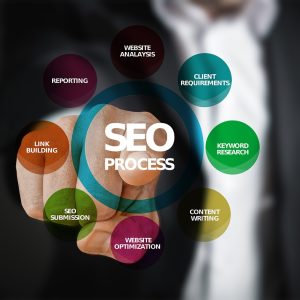
SEO Is Not About Google. It’s About Humans.
Most people think SEO means:
keywords, backlinks, rankings.
That’s only half the truth.
Real SEO starts before Google notices you —
it starts when a human reads your content and decides:
“This helped me.”
Why Old-Style SEO Fails Today
Earlier, SEO was about tricks:
stuffing keywords
writing long boring articles
pleasing algorithms
Today, Google watches human behavior:
Do people stay?
Do they read till the end?
Do they come back?
The New SEO Formula (Simple)
Search Intent + Clarity + Trust = SEO
Search Intent
Ask: Why is someone searching this?
Not what keyword, but what problem.Clarity
Simple words win.
Clear headings win.
Short sentences win.
If a 10-year-old can understand it — Google loves it.
Trust
Real examples.
Honest answers.
No fake promises.
Google rewards trust because users reward trust.
Content That Actually Ranks
High-ranking content today:
answers one main question clearly
does not confuse
feels human, not robotic
Digital Marketing Is Not About Ads. It’s About Attention.
People don’t hate marketing.
They hate bad marketing.
Real digital marketing is not shouting:
“Buy this! Buy this!”
It is quietly answering one question in the user’s mind:
The Biggest Digital Marketing Myth
Many think digital marketing means:
running Facebook ads
posting daily on Instagram
using big tools
But tools don’t create growth.
Understanding people does.
The Core of Digital Marketing
Digital marketing has only 3 real pillars:
1. Visibility
If people can’t see you, they can’t trust you.
SEO, social media, reels, blogs — all exist for one reason:
to be found.
2. Value
Content must solve a problem:
teach something
motivate
save time
save money
No value = no growth.
3. Trust
People buy from brands they trust.
Trust is built through:
consistency
honesty
real stories
real results
Content Is the New Salesperson
A good post sells without selling.
A good video convinces without forcing.
A good blog educates before asking.
That’s why content marketing is the heart of digital marketing.
Algorithms Follow Humans
If people:
watch your video till the end
read your blog fully
save or share your post
Algorithms follow automatically.
Chasing algorithms is useless.
Chasing human interest works.
Digital Marketing Is a Skill, Not Luck
Virality is temporary.
Skill is permanent.
Anyone can run ads.
Very few can connect with people.
That connection creates:
long-term audience
organic growth
stable income
🔑 DIGITAL MARKETING KE MAIN PARTS (REAL WORLD)
1️⃣ CONTENT MARKETING (Foundation)
Agar content strong nahi hai, ads bhi fail hote hain.
✔ Blogs
✔ Reels / Shorts
✔ Quotes / Carousels
✔ Videos
📌 Aapka “नया सवेरा” page yahin se grow karega.
2️⃣ SEO (Free Traffic Machine)
SEO ek slow but powerful engine hai.
Google par rank
Long-term traffic
Free leads
📌 Tip:
Ek hi topic par series content likho, random nahi.
3️⃣ SOCIAL MEDIA MARKETING
Yahan attention jeetni hoti hai.
Hook (first 3 seconds)
Relatable content
Consistency
📌 Algorithm nahi, logon ko samjho.
4️⃣ EMAIL MARKETING (Hidden Gold)
Algorithm-free
Direct audience
Highest ROI
📌 1000 engaged emails > 10,000 followers
5️⃣ PAID ADS (Boost System)
Ads tab hi kaam karte hain jab:
✔ Content already working ho
✔ Audience samajh me aa chuki ho
❌ Ads se zero se hero nahi bante.
6️⃣ ANALYTICS (Game Changer)
Data ke bina marketing andhere me teer.
Reach
Retention
Clicks
Conversions
📌 Jo measure nahi hota, wo grow nahi hota.
📈 BEGINNER SE PRO BANNE KA SIMPLE ROADMAP
🗓 0–30 Days
Basics samjho
1 niche choose karo
Daily content post karo
🗓 30–90 Days
SEO + Email list start
Analytics check karo
Content improve karo
🗓 3–6 Months
Monetization
Brand collaborations
Freelancing / services

What Is Email Marketing?
Email marketing means communicating directly with people who have chosen to hear from you.
It is permission-based marketing, not spam.
You send emails to:
educate
inspire
build trust
and finally sell
🔥 Why Email Marketing Is Powerful
No algorithm control (unlike social media)
Direct reach to your audience
Highest ROI in digital marketing
You own your audience
👉 Followers can disappear,
👉 Email subscribers stay.

📱 What Is Social Media Marketing?
Social Media Marketing means using social platforms to connect with people, not just to post content.
The goal is to:
attract attention
build trust
create engagement
and convert followers into customers
It’s about relationships, not just reach.
🔥 Why Social Media Marketing Matters
Billions of people use social media daily
Low cost, high visibility
Direct interaction with your audience
Powerful for brand building and community growth
Social media is where people spend their time — that’s why brands must be there.
🧱 Core Elements of Social Media Marketing
1️⃣ Content (The Foundation)
Content decides everything.
Strong content:
educates
entertains
inspires
solves problems
Formats that work best:
Reels / Shorts
Carousels
Quotes
Stories
Short videos
2️⃣ Consistency (More Important Than Perfection)
Posting once a week won’t work.
You need:
a fixed posting schedule
a clear theme or niche
similar style and tone
Consistency builds trust with both people and algorithms.
3️⃣ Engagement (Not Optional)
Social media is two-way.
Engage by:
replying to comments
commenting on other creators’ posts
asking questions
using polls and stories
The more you engage, the more visibility you get.
4️⃣ Understanding the Algorithm (Simple Version)
Algorithms promote content that:
keeps people watching
gets likes, comments, shares, saves
feels useful and relevant
Focus on retention, not just views.
5️⃣ Branding (Stand Out)
People follow brands they recognize.
Build branding with:
same colors
same font style
same message
Your content should look and feel familiar.
📈 Social Media Marketing Strategy (Beginner Friendly)
Step 1: Choose One Platform
Don’t try everything.
Start with Facebook, Instagram, or YouTube Shorts.
Step 2: Choose One Niche
Examples:
Motivation
Digital marketing
Business tips
Life lessons
Step 3: Create a Content Mix
70% value content
20% relatable content
10% promotional content
📊 Important Metrics to Track
Reach
Engagement rate
Watch time
Follower growth
Growth without engagement is useless.

💰 What Are Paid Ads?
Paid Ads are online advertisements that you pay for to reach your target audience.
Unlike organic content:
You don’t wait for algorithms
You can reach people instantly
You control who sees your message
Platforms for Paid Ads:
Facebook / Instagram Ads
YouTube Ads
Google Ads (Search + Display)
LinkedIn Ads / Twitter Ads
🔥 Why Paid Ads Matter
Instant visibility
Target the right audience (age, location, interest)
Boost organic growth faster
Generate leads, sales, or traffic
📌 Organic content is long-term. Paid ads give short-term acceleration.
🧱 Key Components of a Paid Ad
1️⃣ Audience Targeting
Location: City, country
Age & Gender
Interests / Behaviors
Retargeting: People who visited your website or page
💡 Example: Motivation content → target people who like “self-help, quotes, motivational pages”
2️⃣ Ad Creative
Text / Caption: Short & attention-grabbing
Visuals: Image / Video / Carousel
Call-to-Action (CTA): What you want them to do
✅ Good example CTA:
“Download free PDF” or “Watch full video”
❌ Bad CTA:
“Click now or else”
3️⃣ Budget & Bidding
Daily or lifetime budget
Automatic or manual bidding (CPC, CPM)
💡 Tip: Start small ₹100–₹300/day, test, then scale.
4️⃣ Landing Page
Your ad should lead somewhere useful:
Blog post
Video
Free guide / Lead magnet
Product page
❌ Don’t send traffic to random homepage.
5️⃣ Tracking & Analytics
Impressions → how many people saw
Clicks → how many clicked
CTR (Click Through Rate) → % of clicks
Conversions → sales, leads, or downloads
📌 Track daily for first week, optimize what works.
Influencer Marketing: A Complete Guide for Beginners
Introduction
Influencer marketing is one of the most powerful digital marketing strategies today. It helps brands reach their target audience through people who already have trust and influence on social media platforms like Instagram, YouTube, Facebook, and Twitter. Instead of traditional advertisements, brands collaborate with influencers to promote products or services in a more natural and engaging way.
What is Influencer Marketing?
Influencer marketing is a type of digital marketing where brands partner with influencers to promote their products or services. Influencers are individuals who have a loyal following and can influence the buying decisions of their audience.
These influencers create content such as posts, reels, stories, or videos to promote a brand in an authentic way.
Types of Influencers
1. Nano Influencers
Followers: 1,000 – 10,000
High engagement and strong trust
Best for small businesses
2. Micro Influencers
Followers: 10,000 – 100,000
Affordable and niche-focused
High conversion rate
3. Macro Influencers
Followers: 100,000 – 1 million
Wide reach and brand awareness
4. Mega Influencers / Celebrities
Followers: 1 million+
Expensive but massive exposure
How Influencer Marketing Works
Brand selects the right influencer
Agreement on content type and payment
Influencer creates promotional content
Content is shared on social platforms
Audience engages and takes action
Popular Influencer Marketing Platforms
Instagram
YouTube
Facebook
TikTok
Twitter (X)
Benefits of Influencer Marketing
Builds trust and credibility
Higher engagement than traditional ads
Cost-effective marketing
Targets specific audience
Increases brand awareness and sales
Influencer Marketing Examples
A fitness influencer promoting protein supplements
A tech YouTuber reviewing smartphones
A fashion influencer showcasing clothing brands
Influencer Marketing vs Traditional Advertising
| Influencer Marketing | Traditional Marketing |
|---|---|
| Trust-based | Advertisement-based |
| High engagement | Low engagement |
| Targeted audience | Mass audience |
| Cost flexible | Expensive |
How to Start Influencer Marketing as a Beginner
Define your goal (sales, followers, traffic)
Choose your target audience
Find relevant influencers
Set budget and campaign type
Track performance and results
Common Mistakes to Avoid
Choosing influencers only by followers
Ignoring engagement rate
No clear campaign goals
Not tracking results
Future of Influencer Marketing
Influencer marketing is growing rapidly with short videos, reels, and AI tools. Brands now focus more on micro and nano influencers for better engagement.

Video Marketing
Introduction
Video marketing is one of the most powerful digital marketing strategies today. People prefer watching videos over reading long text, which makes video marketing highly engaging and effective. Businesses use videos to promote products, build brand awareness, educate customers, and increase sales through platforms like YouTube, Facebook, Instagram, and websites.
What is Video Marketing?
Video marketing is the use of videos to promote or market a brand, product, or service. It includes creating and sharing videos such as promotional videos, tutorials, reels, shorts, testimonials, and live videos to attract and engage the audience.
Why Video Marketing is Important
Videos grab attention quickly
Higher engagement than text or images
Easy to understand and remember
Increases trust and credibility
Improves conversion and sales
Types of Video Marketing
1. Promotional Videos
Short videos used to promote products or services.
2. Explainer Videos
Videos that explain how a product or service works.
3. Educational Videos
Tutorials, how-to videos, and learning content.
4. Social Media Videos
Reels, Shorts, and Stories for Instagram, Facebook, and YouTube.
5. Testimonial Videos
Customer reviews and success stories.
6. Live Videos
Live streaming to interact with audience in real time.
.
Affiliate Marketing: A Complete Guide for Beginners
Introduction
Affiliate marketing is one of the most popular ways to earn money online. It allows individuals and businesses to earn commission by promoting other companies’ products or services. With the growth of e-commerce and digital platforms, affiliate marketing has become a powerful income source for bloggers, YouTubers, and social media creators.
What is Affiliate Marketing?
Affiliate marketing is a performance-based marketing model where an affiliate promotes a product or service using a unique referral link. When a customer makes a purchase through that link, the affiliate earns a commission.
How Affiliate Marketing Works
Join an affiliate program
Get a unique affiliate link
Promote the product through content
User clicks the link and makes a purchase
Affiliate earns commission
Types of Affiliate Marketing
1. Unattached Affiliate Marketing
Affiliate has no direct connection with the product.
Example: Running ads for products you don’t use.
2. Related Affiliate Marketing
Affiliate promotes products related to their niche.
Example: A tech blogger promoting gadgets.
3. Involved Affiliate Marketing
Affiliate promotes products they personally use and trust.
Popular Affiliate Marketing Platforms
Amazon Associates
Flipkart Affiliate
ClickBank
CJ Affiliate
ShareASale
Benefits of Affiliate Marketing
Low investment business
No product creation required
Passive income opportunity
Work from anywhere
Scalable income model
Affiliate Marketing Examples
Blog reviews with affiliate links
YouTube product comparison videos
Instagram reels with product tags
Facebook page promotions
Affiliate Marketing Tips for Beginners
Choose a niche you understand
Promote genuine and useful products
Focus on content quality
Use SEO and social media
Track links and performance
Common Mistakes to Avoid
Promoting too many products
Ignoring audience trust
Copy-paste content
Expecting instant income
Future of Affiliate Marketing
Affiliate marketing continues to grow with AI tools, influencers, and content platforms. Video-based affiliate marketing and short-form content are becoming more effective than traditional methods.