

BLOG 1: Understanding Digital Marketing in the Modern Business World
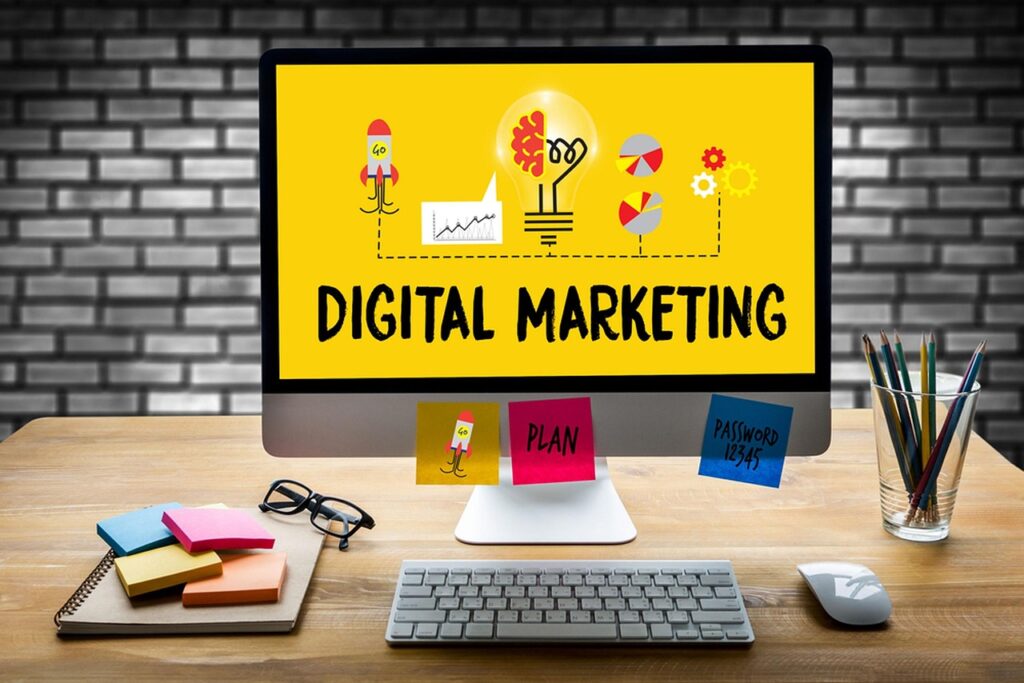
Digital marketing has become an essential part of modern business growth. It refers to promoting products, services, or brands using digital channels such as search engines, social media platforms, websites, email, and mobile applications. In today’s internet-driven world, businesses cannot rely only on traditional marketing methods like newspapers or banners. Digital marketing allows businesses to reach a wider audience at a lower cost with measurable results.
One of the biggest advantages of digital marketing is its ability to target specific audiences. Businesses can choose who sees their ads based on age, location, interests, and online behavior. This level of targeting increases conversion rates and reduces wasted spending. Unlike traditional marketing, digital campaigns can be adjusted in real time based on performance.
Digital marketing also creates two-way communication between brands and customers. Through social media comments, messages, and reviews, businesses can directly interact with their audience. This builds trust, loyalty, and brand authority. Customer feedback helps improve products and services quickly.
Another key benefit is data tracking. Digital marketing tools provide detailed insights into traffic, engagement, and sales. Businesses can analyze what works and what does not. This data-driven approach makes marketing more effective and strategic.
In today’s competitive market, digital marketing is no longer optional. Whether a small startup or a large company, every business needs an online presence. Digital marketing helps brands stay visible, relevant, and profitable in a fast-changing digital environment.nayasavera.space/

Blog 2: Why Digital Marketing Is Important for Small Businesses
Small businesses often struggle with limited budgets and resources. Digital marketing provides an affordable solution to compete with larger brands. Unlike digital marketing does not require huge investments. Even with a small budget, businesses can reach potential customers effectively.
Online platforms allow small businesses to showcase their products and services to a global audience. A simple website or social media page can attract customers beyond local boundaries. Search engines help customers find businesses exactly when they are searching for related services.
Digital marketing also builds credibility. When a business appears on search engines and social platforms, customers trust it more. Reviews, testimonials, and consistent content improve brand reputation. This trust leads to higher customer retention.
Another advantage is flexibility. Small businesses can experiment with different strategies like content marketing, email campaigns, or social media ads. They can test, learn, and optimize without heavy risk. This flexibility helps in steady growth.
For small businesses, digital marketing is a powerful growth engine. It provides visibility, engagement, and sales opportunities without financial pressure. With the right strategy, small businesses can build strong online identities and long-term success.
Blog 3: Search Engine Optimization and Its Role in Digital Marketing
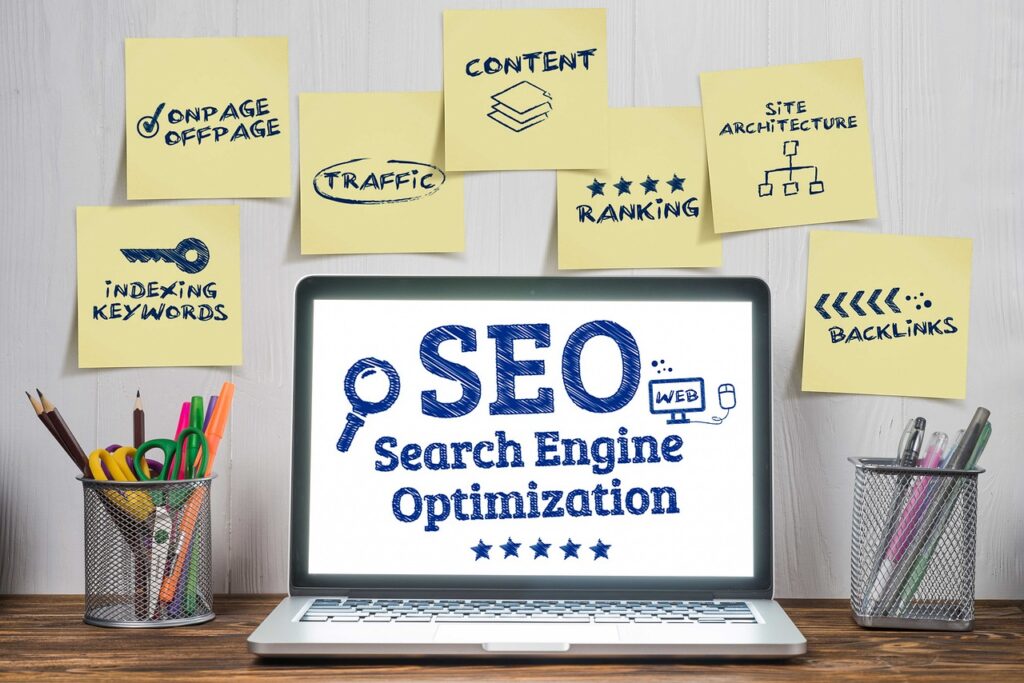
Search Engine Optimization, commonly known as SEO, is a fundamental part of digital marketing. SEO focuses on improving a website’s visibility on search engines. When a website ranks higher, it receives more organic traffic, which increases credibility and sales potential.
SEO works by optimizing content, keywords, website structure, and user experience. Search engines prefer websites that provide valuable and relevant information. Quality content builds trust with both users and search engines.
SEO is a long-term strategy. Unlike paid ads, organic rankings take time but provide sustainable results. Once a website ranks well, it can receive consistent traffic without continuous spending. This makes SEO cost-effective.
SEO also improves user experience. Fast loading speed, mobile optimization, and easy navigation are important ranking factors. These improvements increase user satisfaction and engagement.
In digital marketing, SEO acts as the foundation. Without SEO, online visibility remains limited. Businesses that invest in SEO gain long-term benefits, authority, and competitive advantage.

Blog 4: Social Media Marketing as a Growth Tool
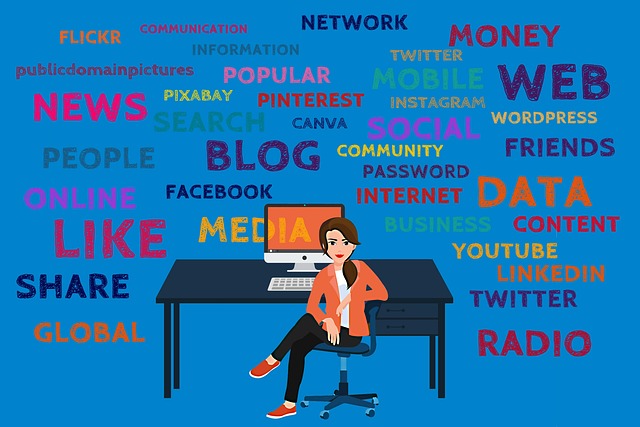
Social media marketing has transformed how businesses connect with audiences. Platforms allow brands to share content, promote products, and engage directly with users. This interaction builds emotional connections and brand loyalty.
Social media helps humanize brands. Behind-the-scenes content, stories, and interactive posts create trust. Customers feel more connected to businesses that communicate openly.
Another benefit is viral potential. A single post can reach thousands of users within hours. This organic reach helps businesses grow without spending heavily on ads.
Social media marketing also supports customer service. Quick responses to messages and comments improve brand image. Active engagement shows reliability and professionalism.
In digital marketing, social media plays a crucial role in visibility and engagement. When used strategically, it becomes a powerful tool for brand growth and audience building.
BLOG 5 -Content Marketing and Audience Trust
Content marketing focuses on creating valuable and informative content to attract and retain audiences. Instead of direct selling, content marketing educates and builds trust. Blogs, videos, and posts help audiences make informed decisions.
Quality content positions a brand as an authority. When users find helpful information, they return for more. This repeated interaction strengthens trust and loyalty.
Content marketing also supports SEO and social media strategies. Well-written content improves search rankings and shareability. This increases organic traffic.
Consistency is key in content marketing. Regular updates keep audiences engaged and improve brand recall. Over time, content becomes a valuable digital asset.
Content marketing is the backbone of digital marketing. It creates long-term value, credibility, and customer relationships.

Blog 6: Email Marketing and Customer Retention
Email marketing remains one of the most effective digital marketing strategies. It allows direct communication with customers. Personalized emails increase engagement and conversions.
Email marketing helps maintain relationships. Regular updates, offers, and informative content keep customers connected. This increases repeat sales.
Automation improves efficiency. Businesses can schedule emails and segment audiences. This saves time and improves relevance.
Email marketing also provides measurable results. Open rates and click-through rates help optimize campaigns.
In digital marketing, email remains a powerful retention tool. It delivers value directly to the customer’s inbox.

Blog 7: Pay-Per-Click Advertising Explained
Pay-per-click advertising allows businesses to display ads and pay only when users click. This model ensures budget efficiency. PPC provides instant visibility.
PPC campaigns are highly targeted. Ads appear to users searching for specific keywords. This increases conversion chances.
Data analysis improves performance. Campaigns can be optimized based on results. This control makes PPC effective.
PPC complements SEO strategies. Together, they maximize online presence.
Blog 8: Digital Marketing Analytics and Decision Making
Analytics is the heart of digital marketing. Data helps understand user behavior and campaign performance. Without analytics, marketing becomes guesswork.
Metrics like traffic and engagement guide decisions. Businesses can identify strengths and weaknesses.
Analytics supports continuous improvement. Strategies become more effective over time.
Data-driven marketing increases ROI and efficiency.

Blog 9: Mobile Marketing in a Smartphone Era
Mobile marketing targets users through smartphones. With rising mobile usage, this strategy is essential.
Mobile-friendly websites improve user experience. SMS and app notifications increase engagement.
Location-based marketing provides personalization.
Mobile marketing ensures accessibility and convenience.
Blog 10: Building a Career in Digital Marketing
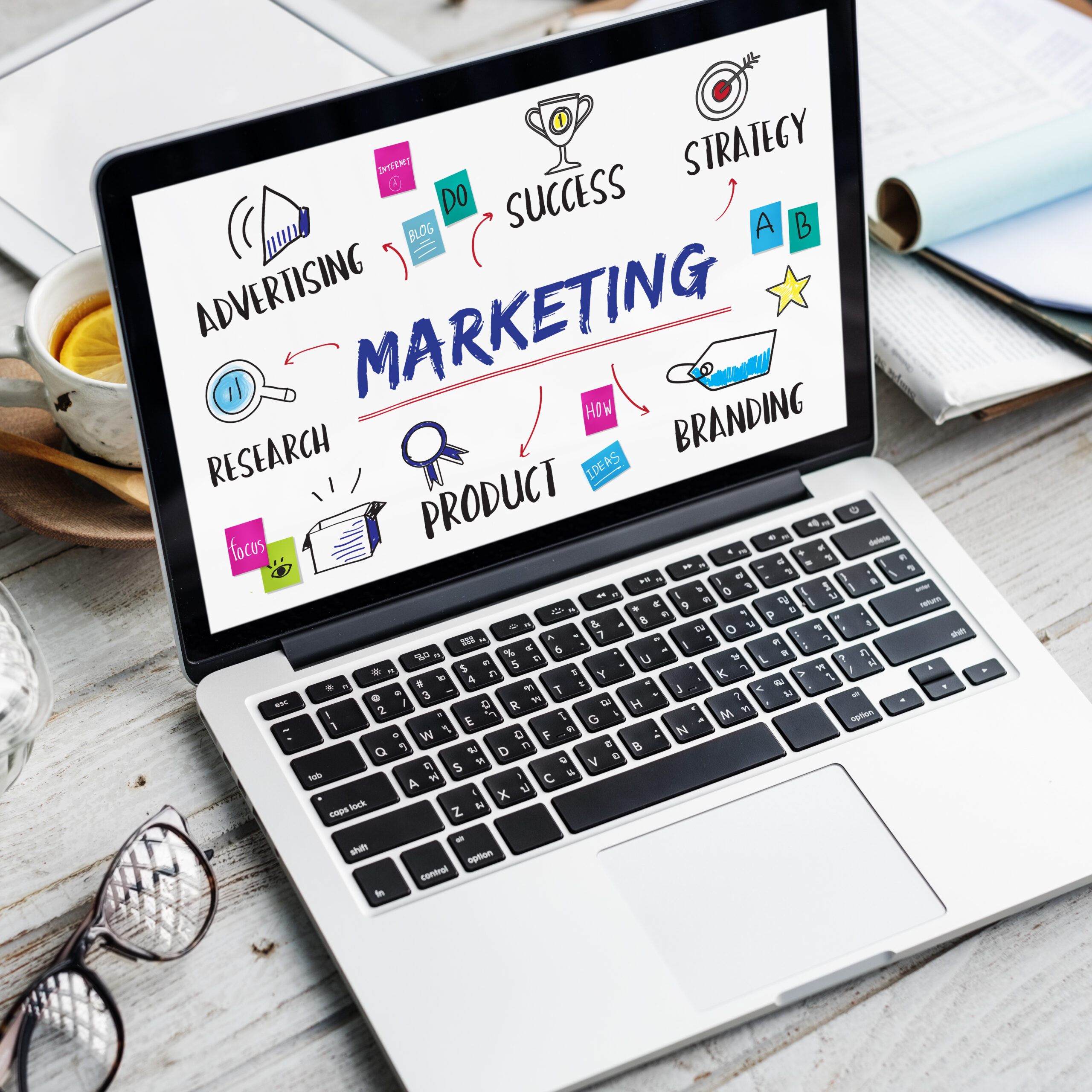
Digital marketing offers diverse career opportunities. Skills like SEO, content creation, and analytics are in demand.
Continuous learning is important. Digital trends change rapidly.
Practical experience builds confidence. Freelancing and projects enhance skills.
Digital marketing careers provide flexibility, growth, and global opportunities.